
Walk onto the floor of most small manufacturers and you will find the schedule on a whiteboard. Jobs down the side, days across the top, magnets or marker showing what is where. It works well for the people standing in front of it. The production manager knows what every mark means, and the floor can see what is coming next.
The trouble starts when someone who is not standing in front of it needs to know. Sales promises a delivery date without checking. The office rings the floor to find out whether an order has started. The customer rings the office. The production manager, who is the only person who can read the board properly, ends up spending a good part of the day on the phone.
Why the whiteboard persists
Because it is fast, visible and never crashes. A production manager can re-sequence a day in thirty seconds with a cloth. Any software that makes that slower will be abandoned inside a week, and plenty of manufacturers are paying for a scheduling tool that nobody opens for exactly that reason. Whatever replaces the board has to be at least as quick for the person who runs the floor, or it will not get used.
What to try first
- Photograph the board. Twice a day, into a shared chat. It is crude, but it gives the office a view and cuts the phone calls immediately.
- Mirror it in a shared spreadsheet. The production manager updates a sheet that matches the board. This doubles their work, which is why it tends to lapse, but it shows which columns and views the office actually needs.
- Track status, not schedule. Most questions from the office are "has it started?" and "has it finished?" rather than "when is it scheduled?". A simple status per job, updated from the floor, answers most of them.
Live tracking the floor will actually use
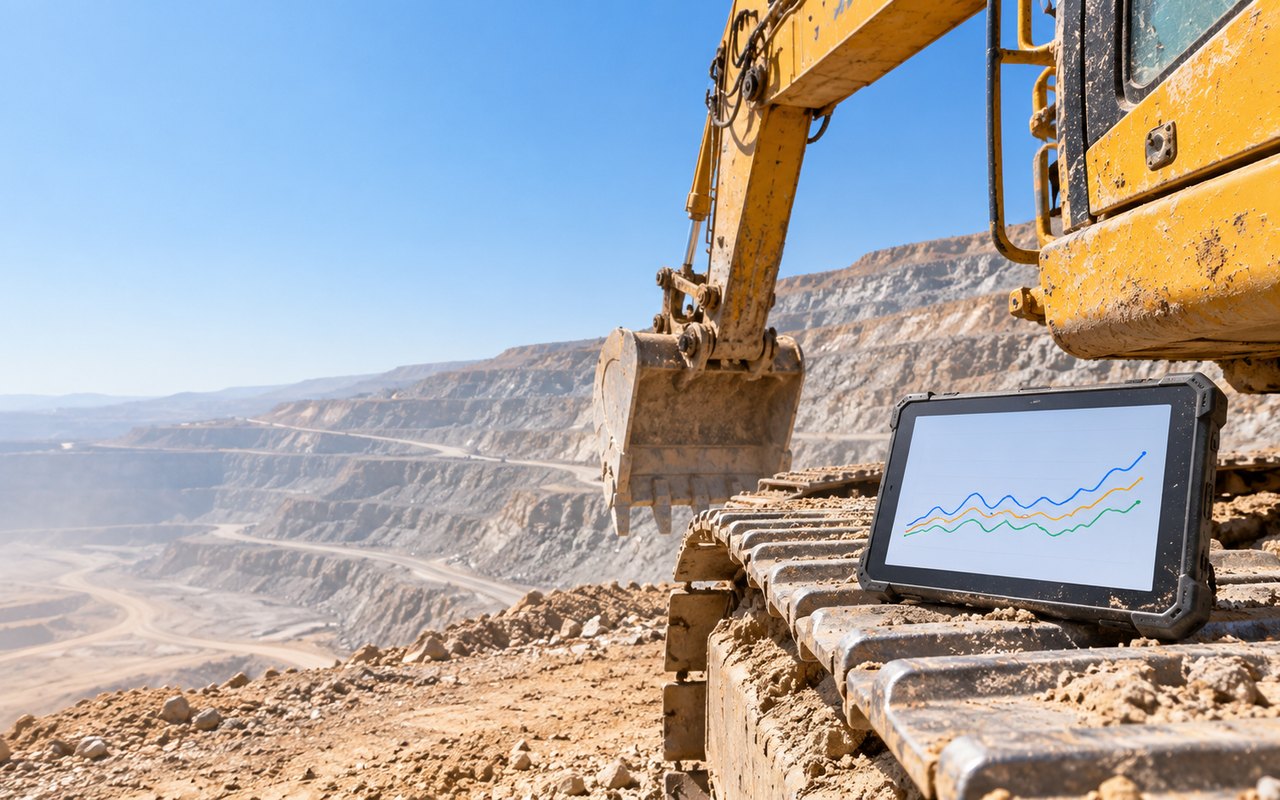
Manufacturers who have moved off the whiteboard did not replace it with a planning tool. They replaced it with a system where the floor records progress as part of doing the work, on a tablet at the station or with a scan at each step, and the schedule is a live view of that progress. The production manager can still drag a job to tomorrow in seconds. The difference is that when they do, sales, the office and the customer portal see the change as well.
Once progress is captured at each step, the questions change. Bottlenecks show up as jobs piling up at a stage rather than as a hunch. Quality holds are visible instead of verbal. Delivery dates get promised from the schedule instead of from memory. And because the same system holds the work orders, the bill of materials and the suppliers, the whole chain from order to invoice can be seen from one screen.
That is how Firesmart works for LHD, which launders and repairs protective workwear for firefighters across Australia and New Zealand. Each garment is tracked through wash, repair and delivery with RFID and barcode scanning, so the status of every item is captured as part of the process and the history is kept for scheduling. Fire stations get a mobile app to request and check items instead of ringing up.
If your schedule is a whiteboard that only one person can read, have a look at what we build for manufacturing, or tell us how a job moves across your floor today.