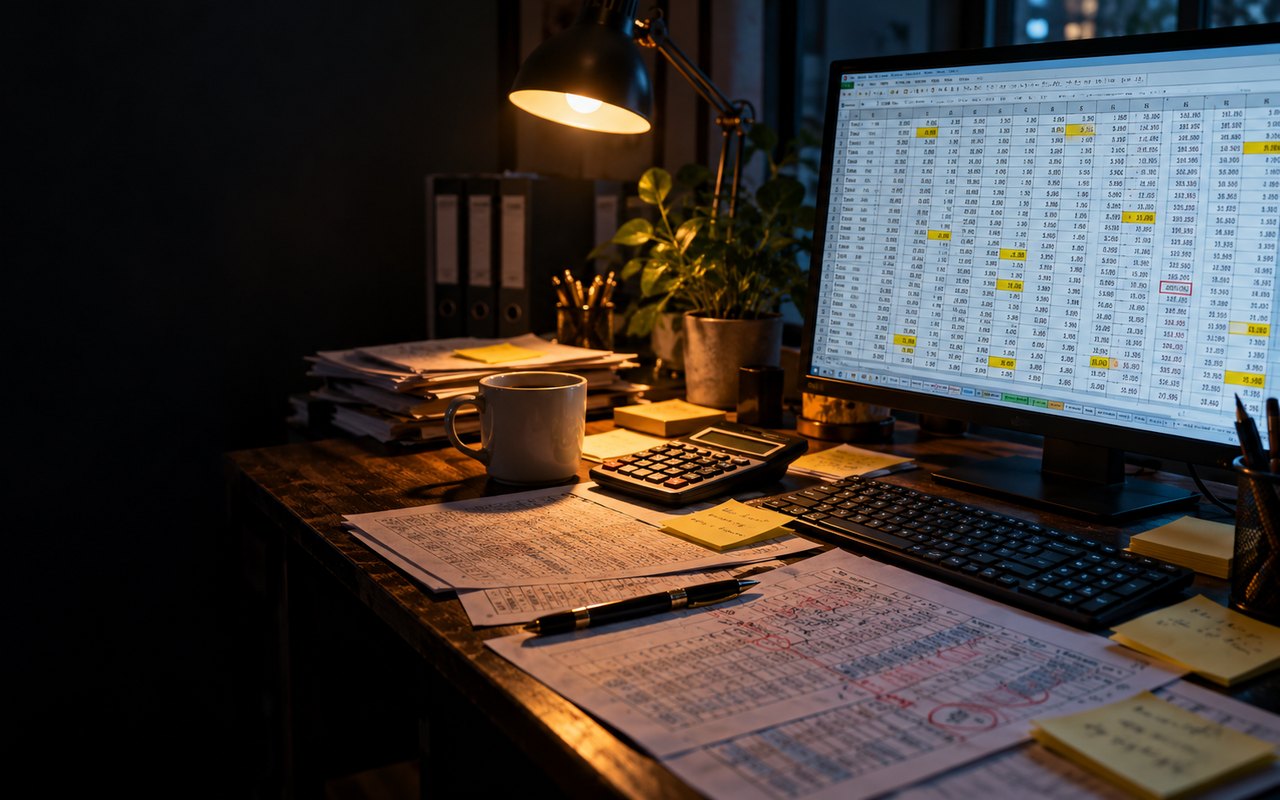

Inspections on a mine site, a drill rig or a remote plant are generally done properly. The inspector knows what they are doing, the checklist is thorough and the safety obligation is taken seriously. What goes wrong is everything after the inspection. The sheet goes into a folder, the folder goes into a vehicle, the vehicle goes back to camp, and a few days later someone in the office types it into a register and files the paper.
By then, the fault the inspector flagged has been waiting a week. The photo they took is still on their phone. One of the readings cannot be read. And when an auditor asks for the inspection history of a particular asset, someone has to go through boxes.
Why the obvious fix fails
The obvious fix is an app on the inspector's phone. Plenty of sites have tried one, and the usual outcome is that it worked in the office and failed at the face. There is no reception underground, in the pit, in a plant room or two hundred kilometres from the nearest tower. An app that needs a connection to open a form, look up an asset or save a result is worse than paper, and crews go back to paper within a week.
The second failure is forms designed for a desk rather than a site. Too many fields, small buttons, no way to attach a photo in one tap. An inspector wearing gloves, in the heat, with a vehicle idling behind them, needs something faster than a clipboard, not just newer.
What offline-first actually means
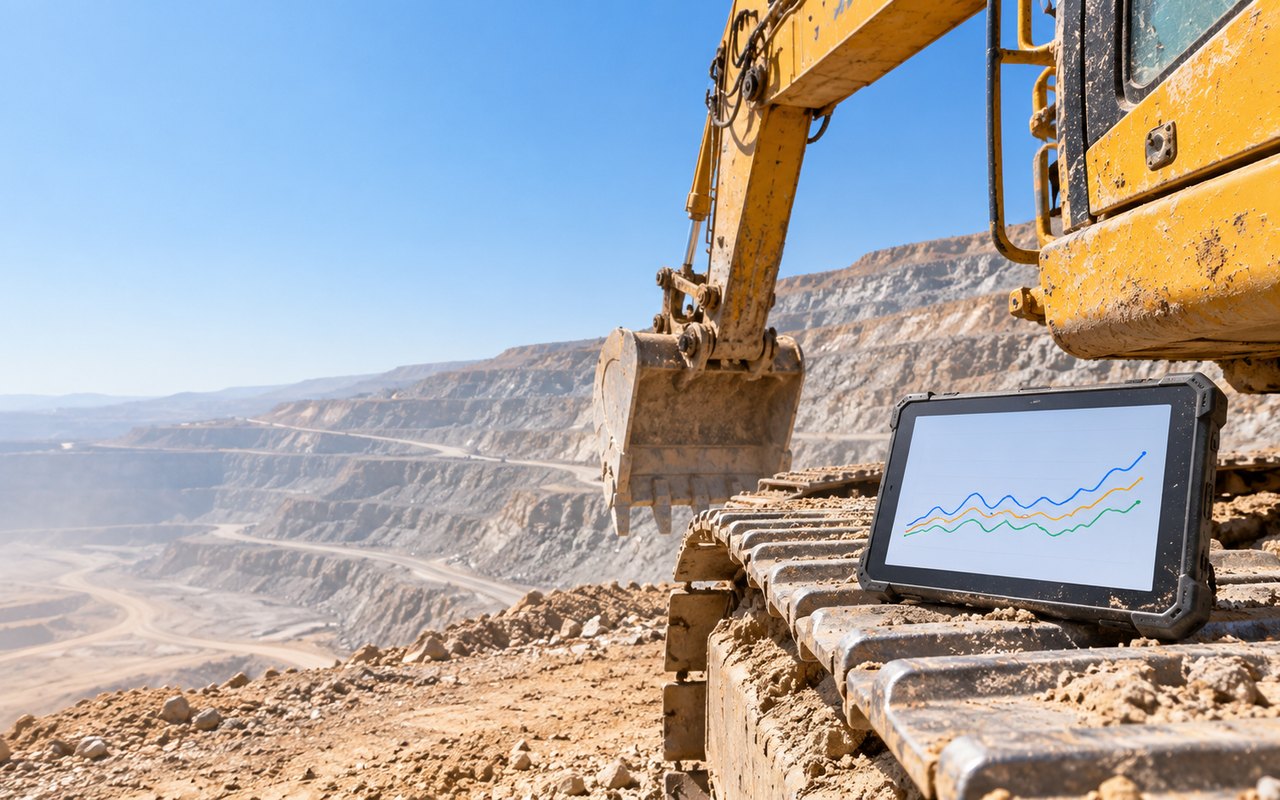
An offline-first field app assumes there is no connection and treats one as a bonus. The asset register, the checklists and the inspector's open tasks are loaded onto the device before they leave camp. Inspections are completed, photos attached and readings recorded entirely on the device. When a connection appears, at camp, in the vehicle near a tower or back at the office, everything syncs in the background. The office sees the inspection within minutes of the device finding signal rather than days after the drive back.
Built this way, the app is quicker than paper. The checklist is the right one for that asset, the readings are validated as they are typed, the photo is attached with one tap, and the fault flagged on Tuesday is a work order in the office on Tuesday.
How it works on real sites
That is how My Asset View works. Thermographers survey electrical and mechanical assets with thermal imaging cameras, in remote and enclosed locations, to catch faults before they cause downtime, damage, fire or injury. The system tracks each asset over its life, works fully offline on a Surface tablet on site, and syncs to the cloud when a connection returns. Surveys are not waiting for a drive back to the office, and the history for every asset is in one place when someone needs it.
The same approach applies to safety inspections, plant checks, pre-starts and hazard reports. If a form gets completed somewhere without reception, the question is not whether to use an app but whether the app was built for where the work actually happens.
If your inspections are still arriving by folder, have a look at what we build for mining and resources, or tell us what gets captured on site today.